The top 5 mechanical and software specs of modern laser machines (2026 guide)
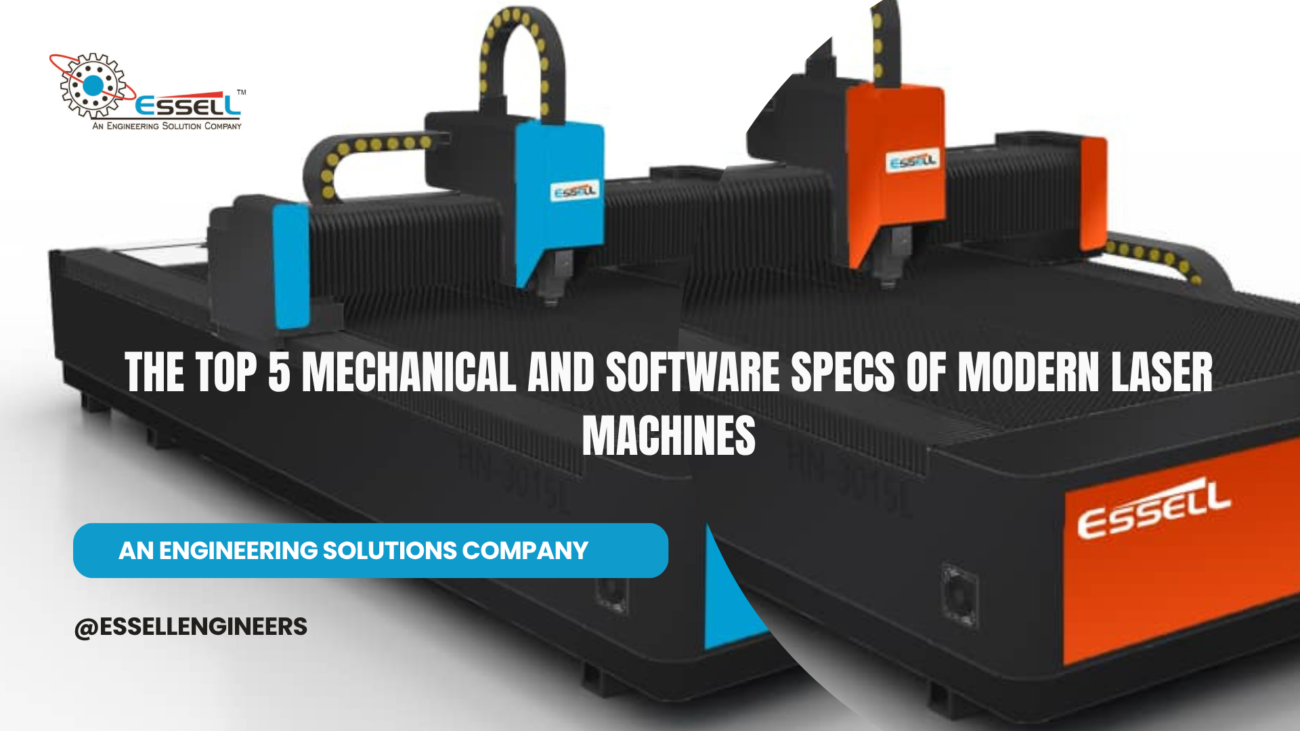
Modern manufacturing relies heavily on precision, speed, and automation. Laser machines have evolved significantly over the years, combining advanced mechanical engineering with intelligent software systems. Understanding the key specifications behind these machines is essential for businesses looking to invest in high-performance solutions.
For Essell, delivering advanced engineering solutions means focusing on both mechanical strength and smart software integration. This guide explores the top 5 mechanical and software specifications that define modern laser machines.
Why specifications matter in laser machines
Laser machines are complex systems where performance depends on multiple factors working together. Choosing the right machine requires a clear understanding of its specifications.
important benefits of selecting the right specs include:
- improved cutting accuracy
- higher production efficiency
- reduced operational costs
- better long-term reliability
Without the right combination of mechanical and software features, even advanced machines may not perform optimally.
1. high-precision motion system (mechanical)
The motion system is one of the most critical mechanical components of a laser machine. it controls how accurately the laser head moves across the material.
Key features:
- linear guide rails for smooth movement
- servo motors for precise positioning
- rigid machine structure for stability
Why it matters:
A high-precision motion system ensures accurate cuts and consistent results, even for complex designs.
2. laser source quality and power stability (mechanical)
The laser source determines the machine’s cutting capability and performance.
Key features:
- stable power output
- high beam quality
- ability to handle different material thicknesses
Why it matters:
consistent laser power ensures clean cuts, reduced defects, and improved productivity.
3. advanced cooling and thermal control (mechanical)
Laser machines generate heat during operation, which can affect performance if not managed properly.
Key features:
- efficient cooling systems
- temperature monitoring
- stable operating conditions
Why it matters:
Proper thermal control prevents overheating and ensures long-term machine reliability.
4. Intelligent CNC control system (software)
Software plays a crucial role in managing laser operations.
Key features:
- precise control of cutting parameters
- integration with CAD/CAM software
- automated process management
Why it matters:
An intelligent control system improves accuracy, reduces errors, and simplifies complex tasks.
5. automation and smart connectivity (software)
Modern laser machines are designed to work within smart manufacturing environments.
Key features:
- integration with Industry 4.0 systems
- real-time monitoring and data analysis
- remote operation capabilities
Why it matters:
Automation and connectivity enhance efficiency and enable data-driven decision-making.
Balancing mechanical strength and software intelligence,
the true power of modern laser machines lies in the balance between mechanical design and software capabilities.
Mechanical components provide:
- stability
- durability
- precision movement
Software systems provide:
- control
- automation
- optimization
essell focuses on combining these elements to deliver machines that perform efficiently in real-world applications.
additional specifications to consider
beyond the top five, several other specifications contribute to machine performance:
cutting head design
ensures accurate beam delivery and adaptability
assist gas system
improves cutting quality and speed
safety features
protect operators and ensure compliance
energy efficiency
reduces operational costs
Considering these factors helps businesses make informed decisions.
benefits of advanced specifications
machines equipped with modern mechanical and software specifications offer:
- higher precision and consistency
- faster production cycles
- reduced downtime
- improved product quality
For Essell, these benefits translate into delivering reliable and high-performance engineering solutions.
applications across industries
Modern laser machines are widely used in various sectors:
automotive
for precision cutting of components
aerospace
for high-accuracy processing
construction
for heavy-duty fabrication
general manufacturing
for custom and large-scale production
These applications highlight the importance of advanced specifications.
Future trends in laser machine specifications
technology continue to evolve, and laser machines are becoming more advanced.
Key trends include:
- AI-driven optimization systems
- enhanced automation capabilities
- improved energy efficiency
- integration with digital manufacturing platforms
essell continues to align its solutions with these advancements to meet future industry demands.
Why choose essell for advanced laser solutions
essell.co stands out as a trusted engineering solution provider due to its focus on quality and innovation.
Key advantages include:
- advanced mechanical design
- intelligent software integration
- reliable machine performance
- strong technical support
These factors ensure that businesses achieve maximum efficiency and productivity.
conclusion
Understanding the mechanical and software specifications of modern laser machines is essential for making informed investment decisions. The right combination of precision engineering and intelligent software can significantly improve manufacturing performance.
For Essell, delivering advanced laser solutions means providing machines that meet the highest standards of quality, efficiency, and reliability. As technology continues to evolve, these specifications will play an even greater role in shaping the future of manufacturing.